
How Physiotherapy Helps in DCD

How Physiotherapy Helps in DCD Florikids 05 March ,2026 2:45 pm What is DCD? DCD is a neurodevelopmental condition that affects movement and coordination.It is sometimes still referred to as Dyspraxia, although DCD is the medical term used in diagnosis. Children with DCD often:• Trip or bump into things more than peers• Struggle with sports or playground games• Find handwriting slow and effortful• Avoid physical tasks because they feel “not good at it”• Tire easily with movement-based activities And here’s the important part:It is not laziness.It is not low intelligence.It is not poor parenting. Their brain simply processes movement differently. How Physiotherapy Helps This is where targeted, specialist paediatric physiotherapy makes a real difference. Physio can help by: ✔ Improving core strength and stability✔ Developing balance and coordination✔ Breaking down complex movements into achievable steps✔ Building motor planning skills✔ Increasing confidence in PE and play✔ Supporting endurance and posture We do not just practise movements.We train the brain to understand movement. With the right support, children with DCD can thrive physically and emotionally. When movement feels easier, confidence grows. And when confidence grows, participation follows. Early support matters. The longer a child avoids movement, the harder it becomes emotionally as well as physically. If you are unsure whether your child’s coordination difficulties are typical or something more, having a conversation with a specialist can bring clarity and a clear plan forward. Because every child deserves to feel capable in their own body.
When Should You Seek Paediatric Physiotherapy?
When Should You Seek Paediatric Physiotherapy? Florikids 12 February ,2026 2:45 pm Trust your instincts. If you notice persistent asymmetry, delayed milestones, frequent falls, unusual posture, coordination difficulties or ongoing pain, an assessment can provide reassurance and direction. Sometimes the outcome is simple advice. Sometimes it is a structured treatment plan. Either way, clarity reduces anxiety. A specialist, integrated approach I am a paediatric physiotherapist with advanced training in neurodevelopmental and manual therapy approaches. I hold both Bachelor’s and Master’s degrees in Physiotherapy and have dedicated my entire professional career to working with children. My specialist training includes: NDT Bobath Therapy including infant therapyProprioceptive Neuromuscular FacilitationSensory Integration TherapyEarly intervention from birthPostural control and motor developmentGait analysisFunctional therapy for scoliosisHydrotherapyPaediatric manual therapyMyofascial release and soft tissue mobilisationThree dimensional foot therapyUpper limb and hand therapy This breadth of training allows me to integrate multiple evidence based techniques into one cohesive treatment plan. Children are not textbook cases. They are complex, growing individuals. Therapy should reflect that. I specialise in assessing and treating movement difficulties in infants and children. Unlike adult physiotherapy, children are constantly growing and developing. Their nervous system is still maturing. Their muscles and bones are adapting. This means treatment must be dynamic, developmentally appropriate and carefully tailored. Children may benefit from physiotherapy if they present with: Delayed motor milestones• Low or high muscle tone• Asymmetries or head preference in babies• Poor balance or coordination• Toe walking• Postural difficulties• Hypermobility• Sports injuries• Neurological conditions• Scoliosis or spinal concerns Early assessment provides clarity. Early support builds confidence. Every child develops at their own pace. Some sprint through milestones. Others need a little extra support along the way. Paediatric physiotherapy is designed to help babies, children and teenagers develop strong, efficient movement patterns so they can participate fully in daily life. Whether that is sitting comfortably at school, running in the playground, or simply feeling more confident in their body, physiotherapy plays an important role in healthy development.
Physiotherapy for Cerebral Palsy
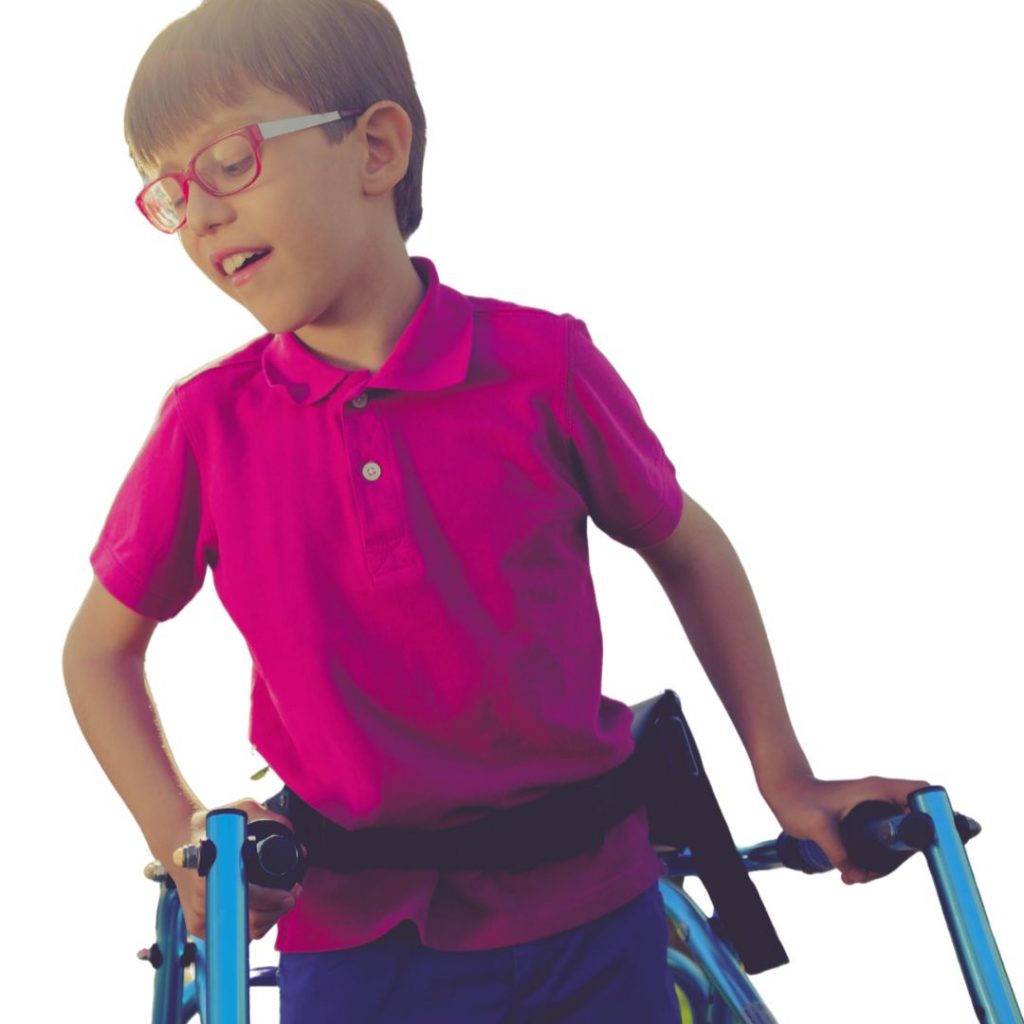
Physiotherapy for Cerebral Palsy Florikids 12 February ,2026 2:45 pm Physiotherapy for Cerebral Palsy When a child is diagnosed with cerebral palsy, parents are often faced with uncertainty, questions, and a deep desire to give their child the very best support. One of the most important parts of that support is specialist paediatric physiotherapy. Physiotherapy for cerebral palsy is not simply about exercises. It is about helping a child move more comfortably, build strength, develop skills, and gain confidence in their own body. As a paediatric physiotherapist, I work with children with cerebral palsy to support their physical development in a way that is tailored, practical and empowering for both the child and their family. What is Cerebral Palsy? Cerebral palsy, often referred to as CP, is a neurological condition that affects movement, posture and muscle coordination. It is caused by an injury to the developing brain, usually before, during or shortly after birth. Cerebral palsy presents differently in every child. Some children may experience mild coordination difficulties. Others may have significant muscle stiffness, weakness, balance challenges or complex physical needs. There are different types of cerebral palsy, including: Spastic cerebral palsy Dyskinetic cerebral palsy Ataxic cerebral palsy Mixed types Because CP affects each child uniquely, physiotherapy treatment must always be individualised. Why is physiotherapy important in Cerebral Palsy? Physiotherapy plays a central role in supporting children with cerebral palsy. Early and consistent therapy can help to: Improve strength and muscle control Reduce stiffness and manage spasticity Support balance and coordination Encourage gross motor development Promote safe mobility Prevent secondary complications Increase independence in daily activities Children grow. Muscles grow. Bones grow. And sometimes they do not grow at the same pace. This is why ongoing physiotherapy input is so important in managing long term outcomes. How paediatric physiotherapy supports children with CP? Early Intervention Early physiotherapy intervention is one of the most powerful tools we have. The developing brain has remarkable neuroplasticity. With the right stimulation and guided movement, we can help build stronger motor pathways. Therapy at a young age focuses on: Head control Rolling and sitting Crawling and transitions Early standing and stepping skills The earlier we start, the more we can support optimal development. Spasticity and muscle tightness management Spasticity is common in children with cerebral palsy. It can lead to stiffness, reduced range of movement and discomfort. Physiotherapy may include: Stretching programmes Positioning advice Strengthening exercises Functional movement training Advice alongside medical management such as botulinum toxin treatment The aim is always comfort, quality of movement and long term joint health. Strength and functional skills Children with CP often have muscle weakness alongside stiffness. Targeted strengthening helps improve posture, stability and mobility. Therapy sessions may include: Core stability work Weight bearing activities Gait training Balance exercises Functional practice such as sit to stand, stair climbing or walking with aids We make therapy purposeful and meaningful. Children are far more motivated when it feels like play rather than a workout session. Mobility and equipment advice Some children benefit from orthotics, walkers, standing frames or specialist seating. A paediatric physiotherapist works closely with families and other professionals to ensure equipment: Supports correct alignment Promotes independence Prevents long term complications Fits into everyday life Good equipment should enhance a child’s world, not restrict it. Specialist Interventions Hydrotherapy can be particularly beneficial for children with cerebral palsy. The warmth and buoyancy of water allow freer movement, reduced muscle stiffness and improved confidence. Other specialist interventions may include: Intensive therapy blocks Postural management programmes Suit therapy Functional electrical stimulation Every recommendation is based on clinical reasoning and the child’s individual goals.
EHCP and Physiotherapy
EHCP and Physiotherapy Florikids 05 January ,2025 09:00 am How Florikids Supports Your Child and Gets the Physiotherapy Section Right If you are a parent navigating the EHCP process, you already know one thing for sure:it is overwhelming. Forms, meetings, long waits, professional language that feels deliberately confusing, and the constant pressure to prove your child’s needs again and again. For children with physical, developmental or neurological needs, physiotherapy evidence is often essential but frequently poorly understood or badly written. At Florikids Physiotherapy, I support families by providing clear, thorough and legally robust physiotherapy assessments and reports that genuinely reflect your child’s physical needs and how these needs impact their education and daily functioning. What Is an EHCP and Why Physiotherapy Matters? An Education, Health and Care Plan (EHCP) is a legal document designed to support children and young people with special educational needs and disabilities. It sets out: your child’s needs the support they must receive and who is responsible for providing it Physiotherapy sits within the F and G sections. Section F explains exactly what support your child must receive. Section G describes health services provided that are not educational. Mobility, posture, endurance, balance, coordination and access to the environment directly affect: learning participation in school activities fatigue levels confidence and independence When physiotherapy input is vague or poorly written, support is often reduced or removed. When it is specific, functional and clearly justified, it becomes much harder for provision to be ignored. How I Support You During the EHCP Process EHCP physiotherapy support at Florikids is not a quick tick box exercise. It is a structured, parent centred and child focused process. This service includes 4 steps: 1 hour video consultationA detailed subjective assessment where we explore your child’s medical history, developmental milestones, current difficulties, school challenges and your concerns as a parent. This is your space to be heard properly. 1 hour face to face physiotherapy assessmentConducted at my physio studio or alternative location with your child and parent or caregiver present.This assessment looks at: posture and alignment movement quality functional mobility strength, balance and coordination fatigue and endurance access to education and daily activities equipment and appliances A comprehensive written physiotherapy reportFormatted clearly and written in appropriate professional and legal language for the Local Authority. This report links clinical findings directly to functional impact and educational access. A video call to review the report togetherBefore it is submitted, we go through the report line by line so you understand it fully and feel confident using it. What Makes the Difference A strong EHCP physiotherapy section must do more than describe a diagnosis. It must explain why support is necessary and what happens if it is not provided. In my reports, I ensure: needs are described clearly and specifically functional impact is directly linked to education therapy recommendations are measurable and justified equipment and environmental needs are documented I avoid vague phrases such as “access to physiotherapy” or “when required”. Instead, recommendations are specific, structured and purposeful. Why Parents Choose Florikids for EHCP Physiotherapy Reports Parents often come to me feeling exhausted and unsure who to trust. What they usually want is simple: someone who understands SEND, someone who explains things clearly, someone who takes their child seriously. I work in partnership with families. I don’t rush assessments, I don’t overpromise and I don’t write generic reports.
Common Childhood Conditions I Treat at Florikids Physiotherapy Northampton
Common Childhood Conditions I Treat at Florikids Physiotherapy Northampton Florikids 02 December ,2025 09:00 am As a children’s physiotherapist in based in Roade near Northampton I see babies, toddlers, children and teens with all sorts of worries that keep parents awake at night. Some concerns arrive gently and some arrive with a dramatic entrance usually involving searching on the net. My role is to bring calm, clarity and a plan that works. Below is a friendly guide to the most common conditions I help with. I have included the everyday phrases parents type into search bars so that when someone nearby needs support they can find Florikids easily and confidently. Cerebral Palsy Stiff muscles in children, walking difficulties in child, delayed movement in child.I support children with strengthening mobility work balance and functional skills. Progress may be gradual but it is steady and meaningful. Parents often tell me they finally feel they have someone on their team. Delays in Developmental Milestones My baby is not sitting yet, late crawler, baby not walking on time.If your child is taking their time to sit crawl or walk I can assess their movement patterns and give you a clear plan to help them catch up. Chronic Fatigue Syndrome Child always tired, chronic tiredness in teenager.I help children gradually rebuild energy strength and stamina with gentle pacing and movement. Erbs Palsy Baby weak arm, nerve injury at birth, baby not moving arm.Treatment focuses on strength flexibility and guiding parents on safe home handling. Feet Concerns including Flat Feet and Talipes Search terms include flat feet in children, baby foot turning in, pigeon toed child.I assess alignment gait and strength and create tailored exercises that support healthy foot development. Fractures Broken arm child, broken leg, child recovery.After the cast comes off physiotherapy helps restore movement, strength and confidence. Down Syndrome Low muscle tone baby, Down syndrome physiotherapy.Sessions build strength balance coordination and support all developmental milestones. Head Turning Preference Plagiocephaly Torticollis Flat head baby, baby prefers turning one way, baby head shape worry.Gentle hands on treatment is paired with clear repositioning guidance for parents. Hypertonia Stiff baby, child very tight muscles.I use NDT Bobath approach, stretches, soft tissue techniques and guided exercises to reduce stiffness. Hypotonia Floppy baby, baby weak muscles, low tone child.Strengthening play based exercises help improve stability and confidence. Neurological Problems Child coordination problems, child movement issues.I support function balance strength and independence. Perthes Disease Hip pain child, limping child hip.Treatment focuses on maintaining hip mobility and strength throughout recovery. Posture Concerns Child slouching, rounded shoulders teenager, poor posture child.I assess alignment and provide strengthening and postural retraining. Prematurity Premature baby delayed milestones, prem baby physiotherapy.Support includes developmental guidance and early movement therapy. Post Botox Botox for tight muscles child, after Botox physio child.I offer targeted strengthening and stretching to maximise Botox results. Pre and Post Orthopaedic Surgeries Physio after surgery child, help before surgery child.Treatment prepares children for surgery and supports smooth recovery afterward. Severs Disease Heel pain child, pain at back of heel teen.Sessions include stretching strengthening and load management. Scoliosis Curved spine child, back curve teenager.Therapy focuses on strength alignment and individualised posture work. SDR Pre and Post Op SDR physiotherapy, selective dorsal rhizotomy rehab child.I support children before and after surgery through structured strengthening and mobility work. Spina Bifida Physiotherapy for spina bifida, child mobility support.Therapy focuses on strength balance and maximising independence. Hypermobility and Hypermobility Spectrum Disorder Flexible child painful joints, bendy child joint pain.Strength and stability work is key and it makes an enormous difference. Hand Therapy Child hand weakness, child hand injury exercises.Support includes fine motor strengthening functional tasks and splint guidance if needed. Gross Motor Incoordination Clumsy child, child struggling with balance.Fun activity based sessions help improve balance coordination and confidence. Gait Concerns Child walking funny, toe walking child, in toed walking.I assess the movement pattern and create a focused plan to improve walking quality. Global Developmental Delay Delayed development child, child behind in milestones.Sessions support strength posture coordination and functional skills. Juvenile Arthritis Joint pain child, stiff joints child.Gentle mobility work keeps joints moving safely and reduces discomfort. Joint Laxity Loose joints child, child joints giving way.Strengthening around the joints provides much needed stability. Motor Planning Difficulties Child struggles with coordination, child cannot plan movements.Therapy focuses on sequencing balance and functional tasks. Muscular Dystrophy Muscle weakness child, muscle wasting child.I support safe mobility stretching and strengthening to maintain function. Painful Muscles or Joints Growing pains child, joint pain child, leg pain child. A full assessment helps identify the cause and create a gentle effective plan. If you recognise any of the concerns above or you simply want reassurance you are always welcome to book an appointment at Florikids Physiotherapy. I provide hands on treatment clear guidance and a friendly space where both parents and children feel supported.
Why assessment and diagnosis matter in children’s physiotherapy
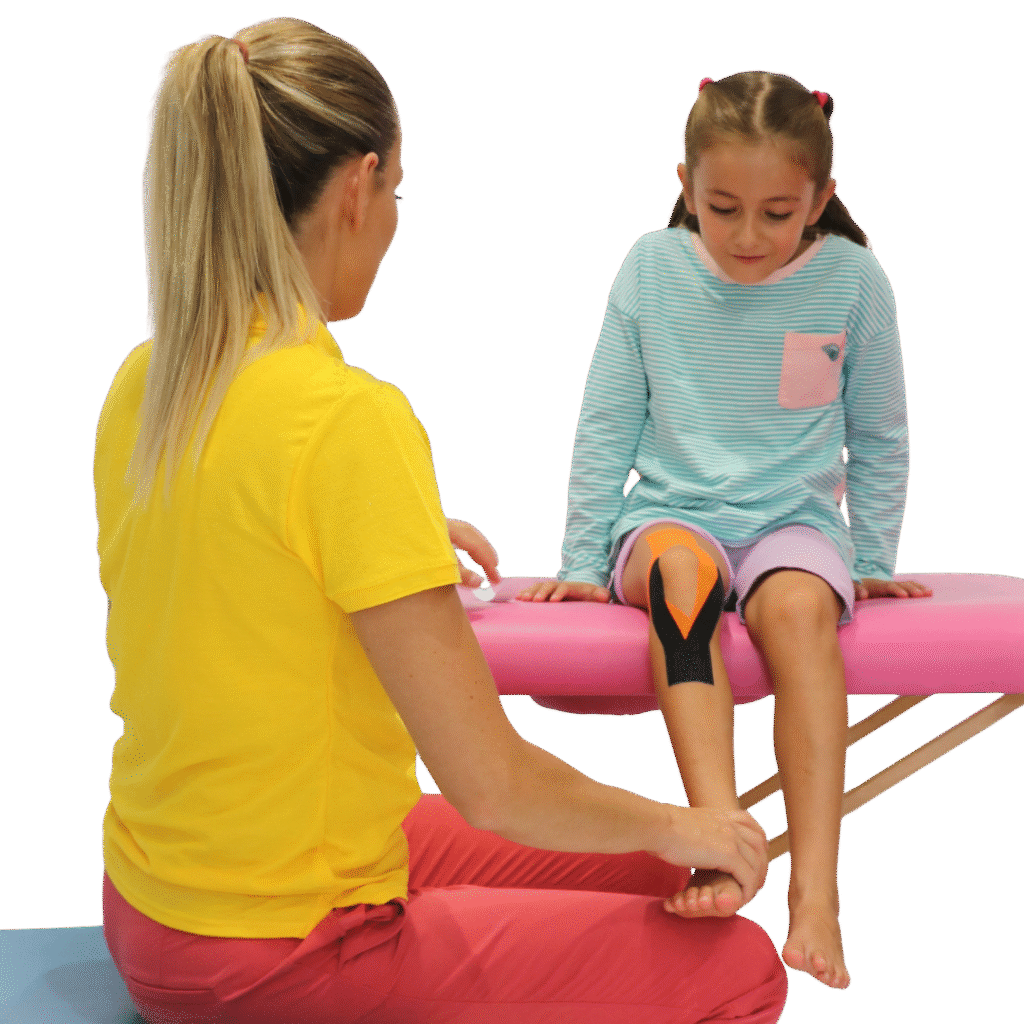
Why assessment and diagnosis matter in children’s physiotherapy Florikids 23 May ,2025 2:45 pm When your child is experiencing physical challenges—whether it’s a delay in reaching milestones, unusual movement patterns, or difficulty keeping up with peers—it’s natural to want answers. At Florikids Physiotherapy, everything begins with one essential step: a thorough assessment and diagnosis. This isn’t just a quick check-in or observation. It’s a comprehensive process designed to gather detailed information about your child’s condition, movement, strengths, and challenges. The aim is to understand not only what your child is struggling with but why—so we can create a treatment plan that is both effective and meaningful. What Does the Assessment Involve? During the first session, I’ll take time to: Understand your child’s medical history and developmental background Observe their posture, movement, coordination, and strength Identify any difficulties with motor skills or functional activities Listen to your concerns and goals as a parent or caregiver This is done in a relaxed, child-friendly way—often through guided play and simple activities that allow me to see how your child moves and interacts in real time. Why It’s So Important A clear diagnosis or understanding of the problem allows us to: Target therapy sessions more effectively Track progress with realistic goals Choose the right techniques, exercises, or equipment Provide meaningful advice for home and daily routines Every child is unique, and a one-size-fits-all approach just doesn’t work. By building a complete picture from the very start, we ensure that every part of the physiotherapy journey is tailored to your child’s specific needs. Moving Forward with Confidence After the assessment, you’ll receive a plan that outlines the next steps—whether that’s ongoing sessions, a home exercise program, or further referrals if needed. I’ll also be here to answer questions, explain everything clearly, and support you throughout your child’s progress. At Florikids, we don’t just treat symptoms—we treat children. And it all starts with understanding them fully.
What is baby neuro developmental treatment?
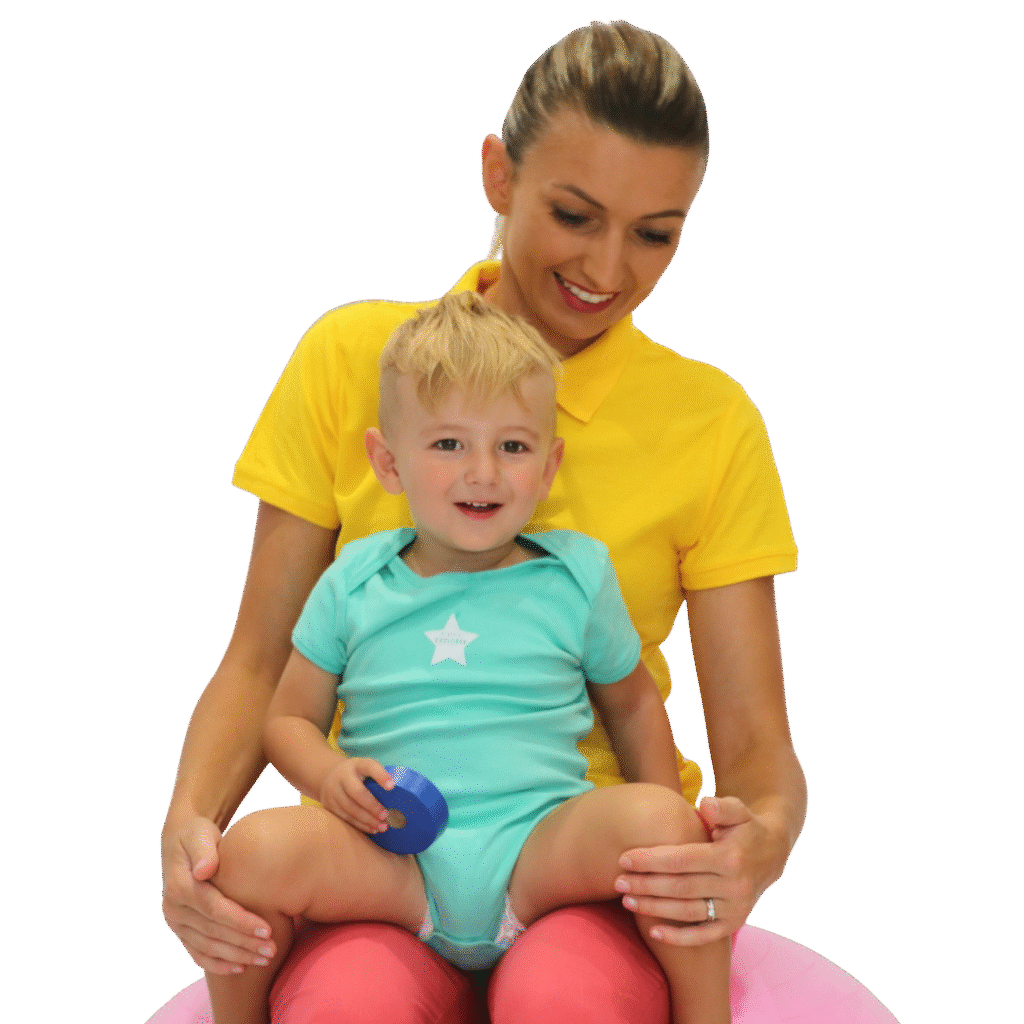
What is baby neuro developmental treatment? Florikids 23 May ,2025 2:45 pm During the early months of life, your baby is learning how to move, respond, and interact with the world around them. For some babies, especially those with developmental challenges, conditions like hypotonia (low muscle tone), or delayed milestones, a little extra support can make a big difference. That’s where Baby Neuro Developmental Treatment (NDT) comes in—a gentle, hands-on approach that helps babies experience the natural movement patterns they need to grow and thrive. What Is Baby NDT? NDT, also known as Bobath Therapy, is a specialist method used in paediatric physiotherapy. It involves guided handling and facilitation, allowing your baby to feel and practise typical sequences of movement—like rolling, reaching, sitting, or crawling—even if they are not yet doing so independently. Through this approach, we support your baby’s nervous system and encourage: Head and trunk control Balance and body awareness Symmetrical posture and positioning Confidence and comfort with movement It’s all done in a way that feels natural, safe, and nurturing, always following your baby’s pace. Why Is This Approach Effective? Babies with conditions such as cerebral palsy, Down syndrome, or prematurity may not automatically develop the movement patterns typical for their age. NDT helps bridge that gap by offering experiences of those movements, which promotes: Motor learning and coordination Muscle tone development Improved movement transitions (e.g. lying to sitting, sitting to crawling) By guiding the body to move in more efficient ways, we’re helping your baby build the foundation for future motor skills and functional independence. Support for You and Your Baby Sessions are calming and family-centred. I’ll always explain what I’m doing and show you how to support your baby at home with positioning, play, and simple handling techniques that reinforce the therapy. At Florikids, the goal is to help every baby feel confident and supported in their body—giving them the best start possible through gentle, effective movement-based therapy.
How therapeutic exercises help your child move and grow
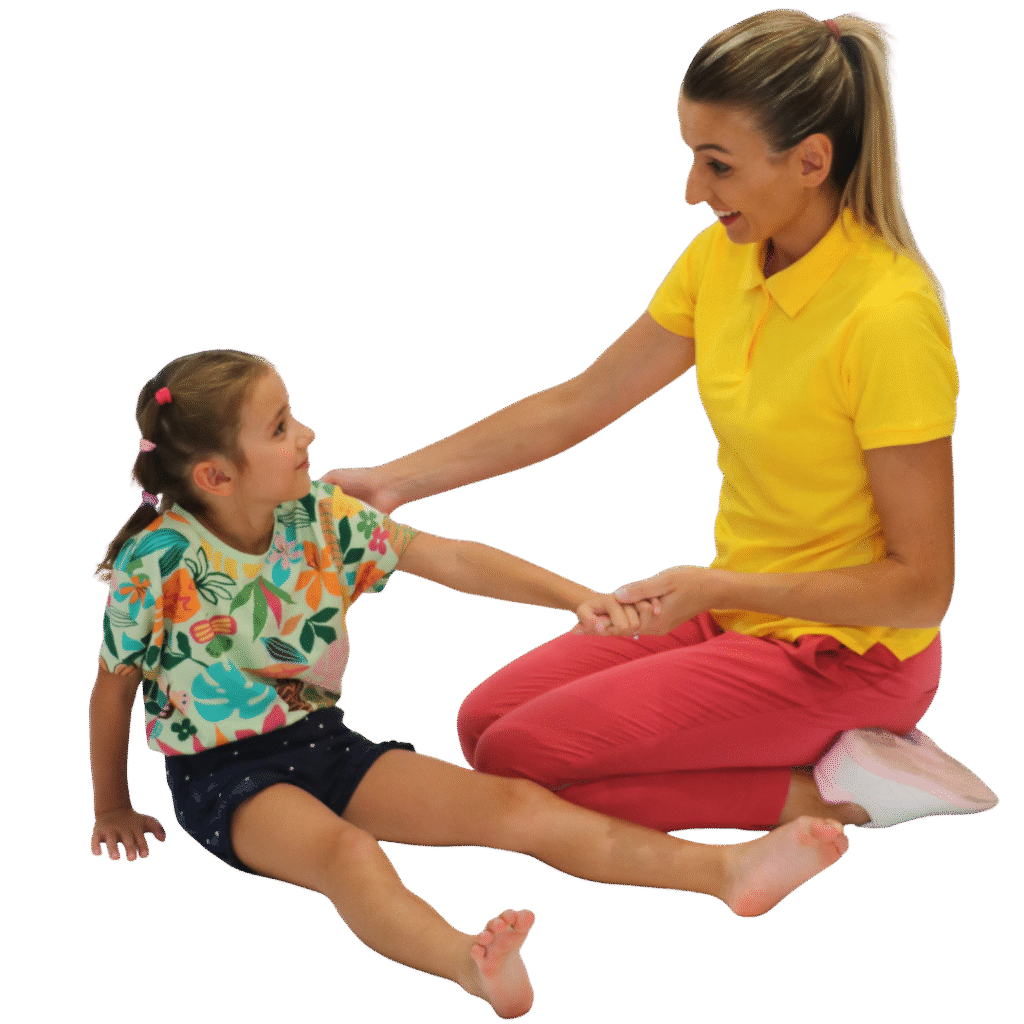
How therapeutic exercises help your child move and grow Florikids 23 May ,2025 2:45 pm When it comes to children’s physiotherapy, one of the most effective tools we use is a programme of carefully chosen therapeutic exercises. These are not just any exercises—they’re personalised, purposeful movements designed to help your child improve strength, flexibility, coordination, and overall function. Whether your child is working toward specific developmental milestones or recovering from an injury or condition, therapeutic exercises play a vital role in their progress. What Are Therapeutic Exercises? Therapeutic exercises are structured stretching and strengthening activities that are adapted to suit your child’s age, condition, and physical goals. These might include: Movements to build strength in specific muscles Exercises to improve posture and alignment Stretches to increase range of motion Balance and coordination activities All exercises are delivered in a fun, engaging, and play-based way, making them enjoyable and accessible for children of all ages. Why Are They Important? Repetition of targeted movement helps the body learn and adapt. Over time, these exercises can: Improve movement quality and efficiency Increase your child’s physical confidence Reduce pain or discomfort from poor posture or muscle imbalances Support faster recovery from injuries or surgery Help with coordination and daily tasks like walking, climbing, or getting dressed Because each child is unique, every exercise programme is tailored. I’ll select the right approach based on a full assessment, and adjust it as your child grows and develops. Support Beyond the Session Therapeutic exercises don’t just stay in the clinic. You’ll be given a personalised home plan so your child can continue practicing at home—building on their progress between sessions. I’ll show you how to support them in a safe, simple way, and we’ll keep things fun so they stay motivated. At Florikids, it’s all about helping your child move better, feel stronger, and build confidence—one step, stretch, and smile at a time.